jf

The Architecture of a Business Sale: LOI vs. OREA APS vs. SPA

When you are selling a business, the document you choose to initiate the transaction is not just paperwork; it is a tactical decision that determines your leverage, your legal exposure, and the speed of your exit.
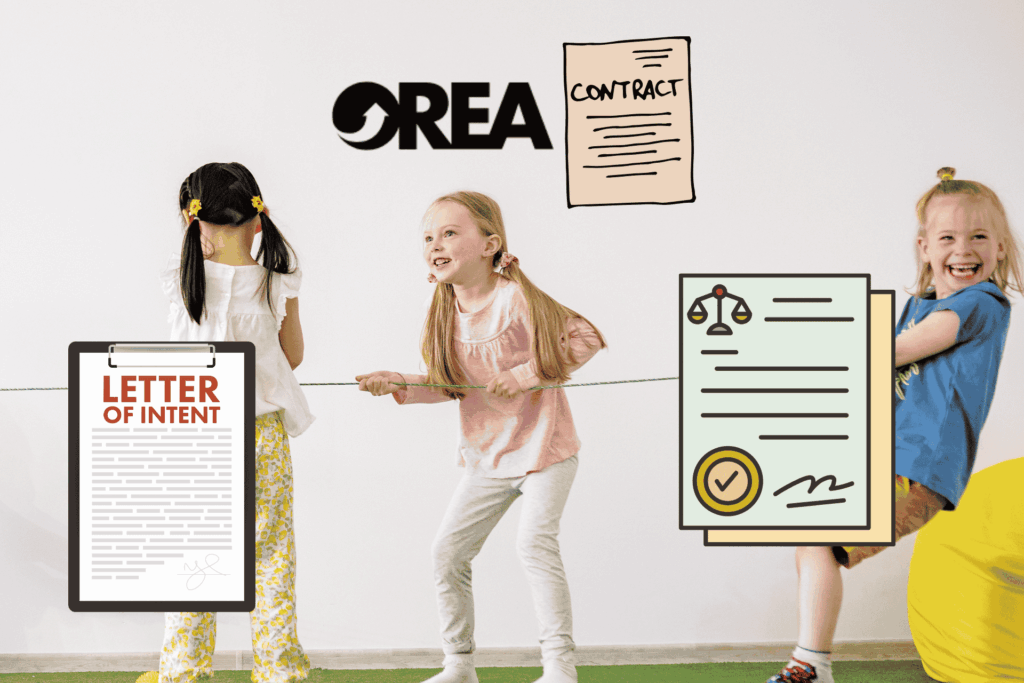
In Ontario, we often see a “tug-of-war” between three different vehicles: the Letter of Intent (LOI), the OREA Agreement of Purchase and Sale (APS), and the Share Purchase Agreement (SPA). Understanding when to use which is the difference between a smooth transition and a deal that falls apart after months of wasted effort.

The Architecture of a Business Sale: LOI vs. OREA APS vs. SPA Read More »

Demystifying the Closing Adjustment and True-Up

When a business owner accepts an offer to sell their company, they often believe the purchase price written in the Offer is the exact amount that will hit their bank account on closing day.
In reality, that number is almost always a moving target until weeks or even months after the keys have been handed over.
The mechanism responsible for this is the Net Working Capital (NWC) adjustment and true-up process. Understanding how this financial machinery works before and after the closing date is critical to ensuring neither the buyer nor the seller leaves money on the table or have any confusions.

Demystifying the Closing Adjustment and True-Up Read More »

CWELCC Share Transfer in Toronto: New Procedures and Timelines (May 2026)

If you are buying or selling a licensed daycare centre within the City of Toronto that participates in the Canada-Wide Early Learning and Child Care (CWELCC) program, recent procedural changes at Toronto Children’s Services (TCS) will significantly impact your transaction timeline and cash flow requirements.
The City of Toronto will not begin its formal review of a new purchaser until the transaction is fully closed. This means the following must be completed before the City assesses if the CWELCC agreement can continue.

CWELCC Share Transfer in Toronto: New Procedures and Timelines (May 2026) Read More »

Decoding the Price Tag: How to Value a Daycare Business Before You Buy

To many people entering the childcare industry, determining the “right” price for a daycare or school can feel like a total mystery. If you’ve started your research, you might have heard a dozen different metrics: $7,000 per seat, $10,000 per seat, $30,000 per seat, net profit percentages, or complex multipliers. It can sound like a lot of “mumbo jumbo,” but as a buyer, you need a grounded, logical formula to ensure you aren’t overpaying. In the professional business world, valuation isn’t a guessing game, it’s math.

Decoding the Price Tag: How to Value a Daycare Business Before You Buy Read More »

Estimating Your CWELCC Funding: A Step-by-Step Guide

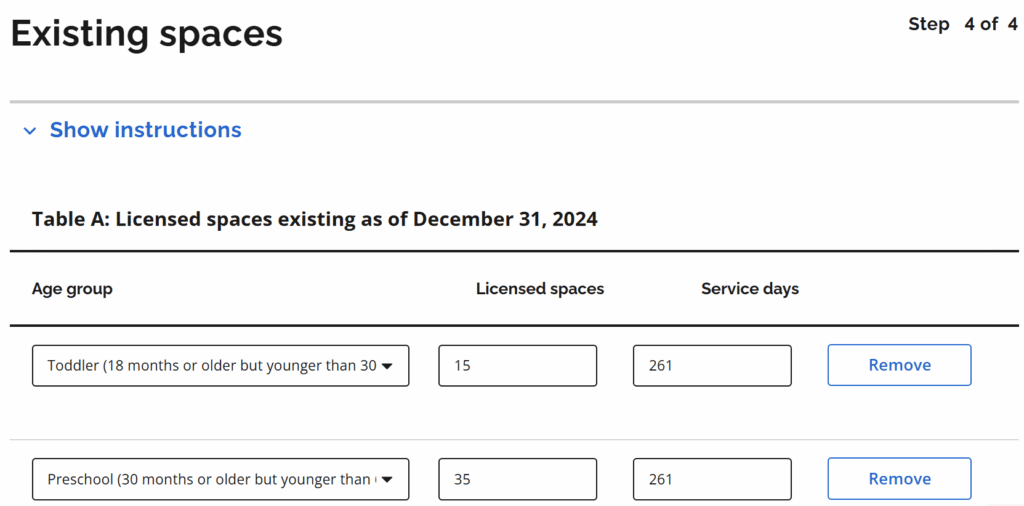
Estimating Your CWELCC Funding. The CWELCC program provides an estimator tool to help childcare centres project their funding allocations. Please note that this estimator is specific to the 2025 CWELCC funding year. As the program evolves, updated estimators may become available in future years. This article will guide you through estimating your CWELCC funding and understanding the potential allocation your centre might receive.

Estimating Your CWELCC Funding: A Step-by-Step Guide Read More »

Key Caveats in Commercial Leases

Commercial leases differ fundamentally from residential leases and require a higher level of scrutiny. Unlike residential tenancies, which are governed by legislation such as the Residential Tenancies Act, commercial leases are largely unregulated. The rights and obligations of both landlord and tenant are determined almost entirely by the written lease agreement.

Key Caveats in Commercial Leases Read More »